
Fri, Nov 20, 2026
[Archive]
Volume 11, Issue 4 (11-2026)
J Nutr Food Secur. 2026, 11(4): 640-650 |
Back to browse issues page


Download citation:
BibTeX | RIS | EndNote | Medlars | ProCite | Reference Manager | RefWorks
Send citation to:


BibTeX | RIS | EndNote | Medlars | ProCite | Reference Manager | RefWorks
Send citation to:
Mousavi Zadeh S A, Sabouri A. Prevalence and Associated Factors of Overweight and Obesity among Adolescent Girls in Isfahan, Iran: A Cross-Sectional Study. , J Nutr Food Secur.. 2026; 11 (4) :640-650
URL: http://jnfs.ssu.ac.ir/article-1-1443-en.html
URL: http://jnfs.ssu.ac.ir/article-1-1443-en.html

Department of Clinical Sciences and Translational Medicine, University of Rome Tor Vergata, 00133 Rome, Italy
Full-Text [PDF 706 kb]
(98 Downloads)
| Abstract (HTML) (1257 Views)
Introduction
Parental and maternal BMI
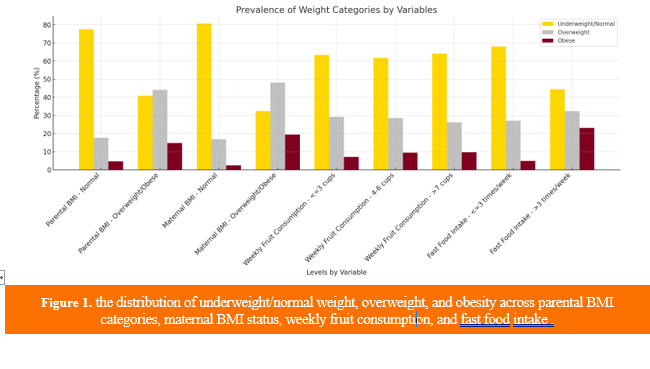
Parental BMI greatly determines adolescents’ weight status. Among the participants with normal BMI parents (less than 25 kg/m2), 534 (77.6%) were underweight or normal weight, 122 (17.7%) were overweight, and 32 (4.7%) were obese. However, among teens with overweight or obese parents (BMI of 25 kg/m2 or greater), 185 (40.9%) were classified as underweight or normal weight, 200 (44.2%) as overweight, and 67 (14.8%) as obese. Maternal BMI also showed a similar trend. Of the mothers with normal BMI, 584 (80.7%) of their daughters were underweight or of normal weight; 122 (16.9%) were overweight, and 18 (2.5%) were obese. But, daughters of mothers with an overweight or obese BMI had higher percentages of overweight (48.1%; 200 participants) and obesity (19.5%; 81 participants), and fewer of them were classified as underweight or normal weight (32.5%; 135 participants). All of these associations were statistically significant, P< 0.001.
Weekly fruit consumption and fast food intake
Diet and lifestyle factors also significantly impact weight status. The prevalence of overweight (29.3%) and obesity (7.2%) among those consuming three or fewer weekly cups was higher than the prevalence of obesity (up to 9.7%, P=0.627) among those consuming more than seven cups. Consumption of fast food was a much stronger predictor; adolescents who had fast food more than three times per week had significantly greater rates of obesity (23.1%) compared to those consuming it less frequently (4.9%, P<0.001). Figure 1 shows the distribution of underweight/normal weight, overweight, and obesity across parental BMI categories, maternal BMI status, weekly fruit consumption, and fast food intake.
Full-Text: (48 Views)
Prevalence and Associated Factors of Overweight and Obesity among Adolescent Girls in Isfahan, Iran: A Cross-Sectional Study
Sayed Alireza Mousavi Zadeh; MSc *1 & Aida Sabouri; MSc 2
1 Department of Clinical Sciences and Translational Medicine, University of Rome Tor Vergata, 00133 Rome, Italy;
2 Department of Exercise Physiology, Faculty of Sport Science and Health, University of Tehran, Tehran, Iran.
2 Department of Exercise Physiology, Faculty of Sport Science and Health, University of Tehran, Tehran, Iran.
| ARTICLE INFO | ABSTRACT | |
| ORIGINAL ARTICLE | Background: Overweight and obesity in adolescents are rising public health concerns, particularly in developing countries. This study examined the prevalence and key correlates of overweight/obesity among 12–13-year-old girls in Isfahan, Iran, with emphasis on parental body mass index (BMI), eating speed, dietary patterns, sleep duration, and physical activity. Methods: A cross-sectional survey was conducted among 1,140 adolescent girls selected through stratified cluster sampling from 12 middle schools in Isfahan. Data were collected through anthropometric measurements (BMI-for-age) and a structured questionnaire that assessed demographics, dietary habits, physical activity, sleep patterns, and parental BMI. Results: Of the participants, 28.25% were overweight and 8.68% were obese. Parental BMI showed a strong association: 44.2% of girls with overweight and 14.8% with obese parents were also overweight or obese (P<0.001). Obesity was more common among those consuming fast food over three times weekly (23.1% vs. 4.9%, P<0.001), sleeping less than 7 hours (11.7%, P<0.001), and eating quickly (21.4% vs. 4.1%, P<0.001). Regression analysis identified fast eating and low parental education as independent predictors. Conclusions: Adolescent obesity is shaped by parental weight, eating behaviors, diet quality, and sleep habits. Family-oriented strategies addressing these factors, combined with school-based health programs, may help reduce prevalence. Future research should explore causal pathways and broader environmental influences. | |
| Article history: Received: 24 Aug 2025 Revised: 7 Jan 2026 Accepted: 7 Jan 2026 |
||
| *Corresponding author: alirezamosavi332@gmail.com Department of Clinical Sciences and Translational Medicine, University of Rome Tor Vergata, 00133 Rome, Italy Postal code: 00133 Tel: +39 3882421494 |
||
Keywords: Adolescent obesity; Overweight; Eating speed; Sleep duration; Parental BMI. |
Introduction
The prevalence of overweight and obesity has increased in recent years. People, including children, teenagers, and adults, are affected worldwide (Chooi et al., 2019, Salam et al., 2023). As of 2023, the World Health Organization (WHO) estimates that the global prevalence of overweight or obesity in children and adolescents aged 5-19 has increased fourfold since 1975, climbing from 4% in 1975 to a striking 18% in 2016. Now more than ever, we need comprehensive measures to address this emerging public health crisis (Okunogbe et al., 2022).
Obesity is a complex state of being and is affected by several factors. Genetics plays a major role, estimated to contribute to 30–70% of cases of obesity (Golden and Kessler, 2020). However, lifestyle choices are also an important factor. Low physical activity levels can result from unhealthy dietary practices (high consumption of fast food) and sedentary behavior (SB) (excessive video game playing time). In addition, sleep deprivation influences hormones, which can lead to unhealthy eating patterns, including the refueling of high glycemic index (Morales Camacho et al., 2019, Mousavi Zadeh et al., 2025). Furthermore, the effect of media and social norms is known, as well as other contributing factors to the increase in obesity rate and population obesity in the last few years (Finucane et al., 2011).
Obesity is a disease defined by excessive fat tissue accumulation (Goldblatt et al., 1965). Recent studies have intensely examined the association between being overweight or obese and the development of diseases. Obese individuals are at higher risk of suffering from several diseases, including but not limited to type 2 diabetes, heart disorders, respiratory diseases, musculoskeletal problems, and several types of cancer (Guh et al., 2009). It also showed that metabolic syndrome is common in teenagers and obese Iranian adolescent girls (Esmaillzadeh et al., 2006). These findings highlight the increasing need to deal with obesity and overweight conditions to reduce the prevalence of diseases and the cost of healthcare related to them (Jiang et al., 2019). Overweight and obesity among adolescents are now major public health issues in developing and developed countries, including Iran (Abiri et al., 2019).
Every year, obesity directly causes a minimum of 4 million deaths and disability in about 120 million people worldwide, which is 7% of global deaths and 5% of global disability (GBD. obesity collaborators, 2017).
Overweight and obesity have become increasingly prevalent among adolescent girls in developing countries, including Iran (Bahreynian et al., 2015). National surveys report that 10.15% of Iranian teenage girls have general obesity and 17.80% have abdominal obesity (Esmaili et al., 2015).
Intervention programs have shown limited success in addressing obese adolescent girls in developing countries such as Iran (Lubans et al., 2012). Additionally, due to the problem itself, there is little evidence-based, effective intervention to address obesity in children and adolescents. Increasing the research output in low- to middle-income countries is vital (Haynos and O'Donohue, 2012). However, previous studies conducted exclusively on the association of unhealthy diets, genetic predisposition, and SB with obesity were not based on these Iranian overweight and obese adolescent girls. A significant research gap exists in investigating sleep insufficiency and parent education levels. This study addresses a research gap by examining the links between overweight/obesity and factors such as sleep duration, eating speed, dietary patterns, and parental education among Iranian adolescent girls.
This study investigates the physical fitness of adolescent girls aged 12–13 years in 12 middle schools located in Isfahan, the capital city of Isfahan Province. This cross-sectional study was carried out to estimate the prevalence of overweight and obesity and analyze various associated factors. In addition to chi-square analysis, this study used grouped logistic regression to estimate independent associations between lifestyle and demographic variables and overweight/obesity status. Therefore, this study aims to determine the prevalence of overweight and obesity among 12–13-year-old adolescent girls in Isfahan and examine their associations with parental BMI, dietary habits, sleep duration, physical activity, and parental education levels.
Materials and Methods
Design and participants
A cross-sectional study was conducted among middle school students in Isfahan, Iran. Using stratified cluster sampling, 1,140 adolescent girls from 12 schools across the northern, southern, and central districts were randomly selected to participate. The investigation focused on girls aged 12 to 13 years old, excluding those with complex metabolic conditions that led to overweight or underweight status. The 12–13 age range was selected to ensure a homogeneous developmental stage and to avoid puberty-related variability in body composition that becomes more pronounced at older ages. This age group also aligns with previous Iranian studies evaluating adolescent obesity.
Students with congenital diseases affecting growth, intellectual disabilities, or psychiatric disorders were also excluded (Ma et al., 2017). This thorough investigation utilized the Strengthening the Reporting of Observational Studies in Epidemiology (STROBE) framework to guide analysis and ensure robust conclusions could be drawn from the complex data collected (Cuschieri, 2019).
Data collection
The duration of the study was from November 2024 to February 2025, and the investigation was conducted with the informed consent of students and parents. The present study undertook an examination of important markers of overweight and obesity among 12 and 13-year-old girls. The major focus of the analysis was to understand the risk factors for adolescent obesity, an exercise highly relevant to adolescent health. Well-trained health assistants measured the students' height (without shoes) and body weight using a standard protocol. Participants' weight was measured simultaneously using a reliable model of a Beurer Weighing Scale. In contrast, height was measured using a Seca Body Meter (nearest 0.1 kg and 0.1 cm, respectively). The Anthroplus software calculated each student's Body Mass Index for Age (BMI Z-score), and their body-weight status was categorized according to the WHO growth reference for children and adolescents aged 5–19 (de Onis et al., 2007). BMI-for-age Z scores were calculated using WHO AnthroPlus software, which applies WHO reference standards for children and adolescents aged 5–19. BMI was computed as weight (kg) divided by height squared (m²).
Furthermore, a standardized questionnaire was distributed to the students. Parents or guardians completed the questionnaire and provided the required information. The questionnaire included demographic characteristics such as age, sleep patterns, dietary habits, exercise, birth history, parental education levels, and both paternal and maternal weight and height. The questionnaire was adapted from previously validated tools used in studies of Iranian adolescents, and its content validity was confirmed by two experts in public health and nutrition. It also collected data on sleep duration and dietary habits, including the frequency of protein and fast food consumption, eating speed, and the duration of video game play.
Key variables
BMI serves as an indicator of overweight and obesity in adolescents and adults. Also, weight categories are defined using age- and sex-specific BMI cut-off points developed specifically for the Iranian adolescent population. The 85th and 95th percentiles are utilized to define overweight and obesity in adolescents. Consequently, BMI values of 21 and 25 are established as cut-off points for overweight and obese girls aged 12 and 13. In this study, parental overweight was divided into two categories: normal (BMI<25) and overweight or obese (BMI≥25). Overall, the group of students in this research was classified into three categories based on their birth history: preterm birth (infants born alive before 37 weeks of gestation), full-term birth (infants born alive after 37 completed weeks but before 42 completed weeks), and post-term birth (infants born alive at 42 completed weeks or later). Parental educational attainment was categorized into four groups: high school diploma or lower, bachelor's degree, master's degree, and PhD or higher.
According to the questionnaire's content, the authors classified participants' eating habits. Adolescent girls should ideally consume 1.5 cups of fresh fruit daily (Burton-Freeman et al., 2018) and approximately 250 grams of protein per week (Garcia-Iborra et al., 2023). The fresh fruit and protein intake was categorized into three groups: less than or equal to 3 cups/meals per day, between 4 and 7, and more than 7. Also, eating fast food more than 3 times per week is a cut-off point. This study also looked at the concept of 'slowness in eating.' This was defined as adolescents with higher masticatory performance who ate slowly. This finding is significant as it suggests that the speed at which adolescents eat can impact their overall eating habits and health (Oberle et al., 2019).
Participants who slept less than 7 hours four days a week were identified as 'sleep <7 hours', while those who slept more than 10 hours four days a week were identified as 'sleep >10 hours'. They were also classified into three groups based on their sleep schedule: those who sleep before 10 p.m., those who sleep after midnight, and those who fall between. Moreover, the groups were categorized according to their frequency of exercise days, including aerobic, strength training, or both, for at least 30 minutes each day. The categories included never participating in sports, 1 to 3 days per week, more than three days per week, excluding physical education classes, and participating only in physical education classes. Additionally, student groups were divided into three classifications based on their daily gaming habits: those who play for less than one hour and those who play for more than three hours.
Ethical considerations
This study was conducted in accordance with the ethical principles of the Declaration of Helsinki. Participation was voluntary, and students and their parents/guardians were informed about the aims and procedures of the study before data collection. Written informed consent was obtained from parents/guardians, and assent was obtained from students. The questionnaire was anonymous, and no identifying personal information was collected. According to institutional and national guidelines for minimal-risk, anonymous, school-based surveys, this type of observational study is exempt from formal review by a research ethics committee.
Data analysis
Data were analyzed using SPSS version 29.0. Frequency distributions were calculated for weight status and demographic variables. Also, Chi-squared tests were used to assess associations between categorical variables and weight status. Additionally, grouped multivariate logistic regression was performed using reconstructed data based on the original sample distributions. Adjusted odds ratios (ORs) with 95% confidence intervals (CI) were estimated for selected predictors, including parental BMI, eating speed, fast food intake, physical activity, and birth history.
Results
The study involved 1,140 adolescent girls aged 12–13 years old from 12 middle schools in Isfahan. Table 1 presents the demographic and behavioral characteristics of the adolescent girls, including BMI categories, fast food consumption, sleep duration, and other lifestyle variables.
Obesity is a complex state of being and is affected by several factors. Genetics plays a major role, estimated to contribute to 30–70% of cases of obesity (Golden and Kessler, 2020). However, lifestyle choices are also an important factor. Low physical activity levels can result from unhealthy dietary practices (high consumption of fast food) and sedentary behavior (SB) (excessive video game playing time). In addition, sleep deprivation influences hormones, which can lead to unhealthy eating patterns, including the refueling of high glycemic index (Morales Camacho et al., 2019, Mousavi Zadeh et al., 2025). Furthermore, the effect of media and social norms is known, as well as other contributing factors to the increase in obesity rate and population obesity in the last few years (Finucane et al., 2011).
Obesity is a disease defined by excessive fat tissue accumulation (Goldblatt et al., 1965). Recent studies have intensely examined the association between being overweight or obese and the development of diseases. Obese individuals are at higher risk of suffering from several diseases, including but not limited to type 2 diabetes, heart disorders, respiratory diseases, musculoskeletal problems, and several types of cancer (Guh et al., 2009). It also showed that metabolic syndrome is common in teenagers and obese Iranian adolescent girls (Esmaillzadeh et al., 2006). These findings highlight the increasing need to deal with obesity and overweight conditions to reduce the prevalence of diseases and the cost of healthcare related to them (Jiang et al., 2019). Overweight and obesity among adolescents are now major public health issues in developing and developed countries, including Iran (Abiri et al., 2019).
Every year, obesity directly causes a minimum of 4 million deaths and disability in about 120 million people worldwide, which is 7% of global deaths and 5% of global disability (GBD. obesity collaborators, 2017).
Overweight and obesity have become increasingly prevalent among adolescent girls in developing countries, including Iran (Bahreynian et al., 2015). National surveys report that 10.15% of Iranian teenage girls have general obesity and 17.80% have abdominal obesity (Esmaili et al., 2015).
Intervention programs have shown limited success in addressing obese adolescent girls in developing countries such as Iran (Lubans et al., 2012). Additionally, due to the problem itself, there is little evidence-based, effective intervention to address obesity in children and adolescents. Increasing the research output in low- to middle-income countries is vital (Haynos and O'Donohue, 2012). However, previous studies conducted exclusively on the association of unhealthy diets, genetic predisposition, and SB with obesity were not based on these Iranian overweight and obese adolescent girls. A significant research gap exists in investigating sleep insufficiency and parent education levels. This study addresses a research gap by examining the links between overweight/obesity and factors such as sleep duration, eating speed, dietary patterns, and parental education among Iranian adolescent girls.
This study investigates the physical fitness of adolescent girls aged 12–13 years in 12 middle schools located in Isfahan, the capital city of Isfahan Province. This cross-sectional study was carried out to estimate the prevalence of overweight and obesity and analyze various associated factors. In addition to chi-square analysis, this study used grouped logistic regression to estimate independent associations between lifestyle and demographic variables and overweight/obesity status. Therefore, this study aims to determine the prevalence of overweight and obesity among 12–13-year-old adolescent girls in Isfahan and examine their associations with parental BMI, dietary habits, sleep duration, physical activity, and parental education levels.
Materials and Methods
Design and participants
A cross-sectional study was conducted among middle school students in Isfahan, Iran. Using stratified cluster sampling, 1,140 adolescent girls from 12 schools across the northern, southern, and central districts were randomly selected to participate. The investigation focused on girls aged 12 to 13 years old, excluding those with complex metabolic conditions that led to overweight or underweight status. The 12–13 age range was selected to ensure a homogeneous developmental stage and to avoid puberty-related variability in body composition that becomes more pronounced at older ages. This age group also aligns with previous Iranian studies evaluating adolescent obesity.
Students with congenital diseases affecting growth, intellectual disabilities, or psychiatric disorders were also excluded (Ma et al., 2017). This thorough investigation utilized the Strengthening the Reporting of Observational Studies in Epidemiology (STROBE) framework to guide analysis and ensure robust conclusions could be drawn from the complex data collected (Cuschieri, 2019).
Data collection
The duration of the study was from November 2024 to February 2025, and the investigation was conducted with the informed consent of students and parents. The present study undertook an examination of important markers of overweight and obesity among 12 and 13-year-old girls. The major focus of the analysis was to understand the risk factors for adolescent obesity, an exercise highly relevant to adolescent health. Well-trained health assistants measured the students' height (without shoes) and body weight using a standard protocol. Participants' weight was measured simultaneously using a reliable model of a Beurer Weighing Scale. In contrast, height was measured using a Seca Body Meter (nearest 0.1 kg and 0.1 cm, respectively). The Anthroplus software calculated each student's Body Mass Index for Age (BMI Z-score), and their body-weight status was categorized according to the WHO growth reference for children and adolescents aged 5–19 (de Onis et al., 2007). BMI-for-age Z scores were calculated using WHO AnthroPlus software, which applies WHO reference standards for children and adolescents aged 5–19. BMI was computed as weight (kg) divided by height squared (m²).
Furthermore, a standardized questionnaire was distributed to the students. Parents or guardians completed the questionnaire and provided the required information. The questionnaire included demographic characteristics such as age, sleep patterns, dietary habits, exercise, birth history, parental education levels, and both paternal and maternal weight and height. The questionnaire was adapted from previously validated tools used in studies of Iranian adolescents, and its content validity was confirmed by two experts in public health and nutrition. It also collected data on sleep duration and dietary habits, including the frequency of protein and fast food consumption, eating speed, and the duration of video game play.
Key variables
BMI serves as an indicator of overweight and obesity in adolescents and adults. Also, weight categories are defined using age- and sex-specific BMI cut-off points developed specifically for the Iranian adolescent population. The 85th and 95th percentiles are utilized to define overweight and obesity in adolescents. Consequently, BMI values of 21 and 25 are established as cut-off points for overweight and obese girls aged 12 and 13. In this study, parental overweight was divided into two categories: normal (BMI<25) and overweight or obese (BMI≥25). Overall, the group of students in this research was classified into three categories based on their birth history: preterm birth (infants born alive before 37 weeks of gestation), full-term birth (infants born alive after 37 completed weeks but before 42 completed weeks), and post-term birth (infants born alive at 42 completed weeks or later). Parental educational attainment was categorized into four groups: high school diploma or lower, bachelor's degree, master's degree, and PhD or higher.
According to the questionnaire's content, the authors classified participants' eating habits. Adolescent girls should ideally consume 1.5 cups of fresh fruit daily (Burton-Freeman et al., 2018) and approximately 250 grams of protein per week (Garcia-Iborra et al., 2023). The fresh fruit and protein intake was categorized into three groups: less than or equal to 3 cups/meals per day, between 4 and 7, and more than 7. Also, eating fast food more than 3 times per week is a cut-off point. This study also looked at the concept of 'slowness in eating.' This was defined as adolescents with higher masticatory performance who ate slowly. This finding is significant as it suggests that the speed at which adolescents eat can impact their overall eating habits and health (Oberle et al., 2019).
Participants who slept less than 7 hours four days a week were identified as 'sleep <7 hours', while those who slept more than 10 hours four days a week were identified as 'sleep >10 hours'. They were also classified into three groups based on their sleep schedule: those who sleep before 10 p.m., those who sleep after midnight, and those who fall between. Moreover, the groups were categorized according to their frequency of exercise days, including aerobic, strength training, or both, for at least 30 minutes each day. The categories included never participating in sports, 1 to 3 days per week, more than three days per week, excluding physical education classes, and participating only in physical education classes. Additionally, student groups were divided into three classifications based on their daily gaming habits: those who play for less than one hour and those who play for more than three hours.
Ethical considerations
This study was conducted in accordance with the ethical principles of the Declaration of Helsinki. Participation was voluntary, and students and their parents/guardians were informed about the aims and procedures of the study before data collection. Written informed consent was obtained from parents/guardians, and assent was obtained from students. The questionnaire was anonymous, and no identifying personal information was collected. According to institutional and national guidelines for minimal-risk, anonymous, school-based surveys, this type of observational study is exempt from formal review by a research ethics committee.
Data analysis
Data were analyzed using SPSS version 29.0. Frequency distributions were calculated for weight status and demographic variables. Also, Chi-squared tests were used to assess associations between categorical variables and weight status. Additionally, grouped multivariate logistic regression was performed using reconstructed data based on the original sample distributions. Adjusted odds ratios (ORs) with 95% confidence intervals (CI) were estimated for selected predictors, including parental BMI, eating speed, fast food intake, physical activity, and birth history.
Results
The study involved 1,140 adolescent girls aged 12–13 years old from 12 middle schools in Isfahan. Table 1 presents the demographic and behavioral characteristics of the adolescent girls, including BMI categories, fast food consumption, sleep duration, and other lifestyle variables.
| Table 1. Distribution of weight status among adolescent girls by demographic and lifestyle characteristics. | |
| Variables | n (%) |
| Girls weight status Under and normal |
719(63.07) |
| Overweight | 322(28.25) |
| Obese | 99(8.68) |
| Parental weight status Normal |
688(60.35) |
| Overweight or obese | 452(39.65) |
| Maternal weight status Normal |
724(63.51) |
| Overweight and obese | 416(36.49) |
| Weekly fruit consumption (cup) <=3 |
443(38.86) |
| 4 to 7 | 377(33.07) |
| >7 | 320(28.07) |
| Duration of night sleep (h) <7 |
496(43.51) |
| 7 -10 | 608(53.33) |
| >10 | 36(3.16) |
| Bedtime <10 PM |
59(5.17) |
| 10 PM to 00:00 | 645(56.58) |
| > 00:00 | 436(38.25) |
| Exercise (time in week) Never |
160(14.04) |
| 1 to 3 times except school sport classes | 365(32.02) |
| More than 3 times except school sport classes | 206(18.07) |
| Only at school sport classes | 409(35.88) |
| Parental education High school diploma or lower |
450(39.47) |
| Bachelors's degree | 387(33.95) |
| Master's degree | 257(22.54) |
| PhD or higher | 46(4.04) |
| Fast food consumption (times per week) <=3 |
902(79.12) |
| >3 | 238(20.88) |
| Protein consumption (meal weekly) <=3 |
285(25.00) |
| 4 - 7 | 643(56.40) |
| >7 | 212(18.60) |
| Birth status Full-term |
965(84.65) |
| Preterm | 107(9.39) |
| Post-term | 68(5.96) |
| Electronic game use (h/d) <1 |
257(22.54) |
| 1 - 3 | 430(37.72) |
| >3 | 453(39.74) |
| Slow eating habit Yes |
837(73.42) |
| No | 303(26.58) |
Parental and maternal BMI
Parental BMI greatly determines adolescents’ weight status. Among the participants with normal BMI parents (less than 25 kg/m2), 534 (77.6%) were underweight or normal weight, 122 (17.7%) were overweight, and 32 (4.7%) were obese. However, among teens with overweight or obese parents (BMI of 25 kg/m2 or greater), 185 (40.9%) were classified as underweight or normal weight, 200 (44.2%) as overweight, and 67 (14.8%) as obese. Maternal BMI also showed a similar trend. Of the mothers with normal BMI, 584 (80.7%) of their daughters were underweight or of normal weight; 122 (16.9%) were overweight, and 18 (2.5%) were obese. But, daughters of mothers with an overweight or obese BMI had higher percentages of overweight (48.1%; 200 participants) and obesity (19.5%; 81 participants), and fewer of them were classified as underweight or normal weight (32.5%; 135 participants). All of these associations were statistically significant, P< 0.001.
Weekly fruit consumption and fast food intake
Diet and lifestyle factors also significantly impact weight status. The prevalence of overweight (29.3%) and obesity (7.2%) among those consuming three or fewer weekly cups was higher than the prevalence of obesity (up to 9.7%, P=0.627) among those consuming more than seven cups. Consumption of fast food was a much stronger predictor; adolescents who had fast food more than three times per week had significantly greater rates of obesity (23.1%) compared to those consuming it less frequently (4.9%, P<0.001). Figure 1 shows the distribution of underweight/normal weight, overweight, and obesity across parental BMI categories, maternal BMI status, weekly fruit consumption, and fast food intake.
Sleep patterns and bedtime
There were strong associations between sleep patterns and weight outcomes. The highest prevalence of underweight/normal weight (72.0%) was found among adolescents sleeping between 7 and 10 hours/night, whilst sleep patterns <7 hours were associated with the highest prevalence of overweight (36.9%) and obesity (11.7%, P<0.001). Sleeping habits also impacted weight, with earlier bedtimes (<10 PM) correlating with lower obesity rates (11.9%) than late sleepers (after midnight), with obesity rates at 16.1% (P<0.001).
Exercise frequency
Weight status was inversely associated with physical activity. Those who exercised three times a week or more had a lower obesity rate (7.3%) than those who never exercised (12.5%). Regular exercisers were commonly associated with underweight or normal weight status (exercisers 63.6% vs. non-exercisers, P<0.001).
Birth and electronic game usage
Weight was also associated with birth status and electronic game use. Higher rates of normal weight (64.4%) were connected to full-term births, whereas post-term births had elevated rates of obesity (23.5%, P<0.001). Adolescents who played electronic games for more than 3 hours per day had a higher prevalence of obesity (11.0%) compared to those who played for less than 1 hour per day (5.4%, P<0.001).
Eating behaviour
Slow eating, in particular, had an outsized effect on weight outcomes. The proportion of primary participants who ate slowly was higher among those who were underweight or of normal weight (76.2%) than among those who ate quickly, where the prevalence of obesity increased to 21.4% (P<0.001). This suggests that eating speed may have potential effects on adolescent weight status. Table 2 presents the bivariate associations between adolescent weight status and all key demographic and lifestyle variables based on chi-square analysis.
Multivariate logistic regression findings
To identify independent predictors of overweight and obesity, a multivariate logistic regression model was performed using grouped data reconstructed from the original sample distributions. Five key predictors were included in the model based on bivariate associations and clinical relevance. These were: eating speed, parental education level, fast food intake, exercise frequency, and birth history. Table 3 summarizes the adjusted OR, 95% CI, and statistical significance. Eating speed and parental education level remained statistically significant independent predictors of overweight and obesity in the final model.
Discussion
Table 2 showed that sleep duration, eating speed, parental BMI, and fast-food intake were significantly associated with weight status. This study adds to the literature by identifying eating speed as a significant independent predictor of overweight/obesity among adolescent girls in Iran. The findings of this study also aligned with studies from northeastern China that emphasize the role of parental BMI (Duan et al., 2020). The study identified parental and maternal BMI, dietary habits, sleep, and physical activity as significantly associated with obesity (Khashayar et al., 2018). It revealed the multifactorial nature of obesity among 12–13-year-old adolescent girls in Isfahan, Iran. These results add to the growing evidence base regarding socioeconomic correlates of adolescent obesity in developing countries (Sholikhah and Tuah, 2021).and they might have potential implications for future interventions. These findings are consistent with the associations demonstrated in Table 2.
Parental and maternal BMI influence
The data indicated a significant association between parental and adolescent BMI; this is aligned with previous studies reporting that parental obesity is a key determinant of the child's/adolescent's obesity. Children with one or two parents who were overweight or obese were more likely to be overweight or obese, reflecting both genetic risk and shared environments. Notably, this approach was observed more in adolescents whose mothers were overweight or obese, which emphasizes the maternal impact on diet and lifestyle choices (Mannino et al., 2022).
There were strong associations between sleep patterns and weight outcomes. The highest prevalence of underweight/normal weight (72.0%) was found among adolescents sleeping between 7 and 10 hours/night, whilst sleep patterns <7 hours were associated with the highest prevalence of overweight (36.9%) and obesity (11.7%, P<0.001). Sleeping habits also impacted weight, with earlier bedtimes (<10 PM) correlating with lower obesity rates (11.9%) than late sleepers (after midnight), with obesity rates at 16.1% (P<0.001).
Exercise frequency
Weight status was inversely associated with physical activity. Those who exercised three times a week or more had a lower obesity rate (7.3%) than those who never exercised (12.5%). Regular exercisers were commonly associated with underweight or normal weight status (exercisers 63.6% vs. non-exercisers, P<0.001).
Birth and electronic game usage
Weight was also associated with birth status and electronic game use. Higher rates of normal weight (64.4%) were connected to full-term births, whereas post-term births had elevated rates of obesity (23.5%, P<0.001). Adolescents who played electronic games for more than 3 hours per day had a higher prevalence of obesity (11.0%) compared to those who played for less than 1 hour per day (5.4%, P<0.001).
Eating behaviour
Slow eating, in particular, had an outsized effect on weight outcomes. The proportion of primary participants who ate slowly was higher among those who were underweight or of normal weight (76.2%) than among those who ate quickly, where the prevalence of obesity increased to 21.4% (P<0.001). This suggests that eating speed may have potential effects on adolescent weight status. Table 2 presents the bivariate associations between adolescent weight status and all key demographic and lifestyle variables based on chi-square analysis.
Multivariate logistic regression findings
To identify independent predictors of overweight and obesity, a multivariate logistic regression model was performed using grouped data reconstructed from the original sample distributions. Five key predictors were included in the model based on bivariate associations and clinical relevance. These were: eating speed, parental education level, fast food intake, exercise frequency, and birth history. Table 3 summarizes the adjusted OR, 95% CI, and statistical significance. Eating speed and parental education level remained statistically significant independent predictors of overweight and obesity in the final model.
Discussion
Table 2 showed that sleep duration, eating speed, parental BMI, and fast-food intake were significantly associated with weight status. This study adds to the literature by identifying eating speed as a significant independent predictor of overweight/obesity among adolescent girls in Iran. The findings of this study also aligned with studies from northeastern China that emphasize the role of parental BMI (Duan et al., 2020). The study identified parental and maternal BMI, dietary habits, sleep, and physical activity as significantly associated with obesity (Khashayar et al., 2018). It revealed the multifactorial nature of obesity among 12–13-year-old adolescent girls in Isfahan, Iran. These results add to the growing evidence base regarding socioeconomic correlates of adolescent obesity in developing countries (Sholikhah and Tuah, 2021).and they might have potential implications for future interventions. These findings are consistent with the associations demonstrated in Table 2.
Parental and maternal BMI influence
The data indicated a significant association between parental and adolescent BMI; this is aligned with previous studies reporting that parental obesity is a key determinant of the child's/adolescent's obesity. Children with one or two parents who were overweight or obese were more likely to be overweight or obese, reflecting both genetic risk and shared environments. Notably, this approach was observed more in adolescents whose mothers were overweight or obese, which emphasizes the maternal impact on diet and lifestyle choices (Mannino et al., 2022).
| Table 2. Prevalence of weight status by demographic and lifestyle variables and their associations. | ||||
| Variables | Underweight or Normal |
Overweight | Obesity | P-valuea |
| Parental body mass index | ||||
| Normal | 534n (77.6)b | 122n (17.7) | 32n (4.7) | <0.001 |
| Overweight and obese | 185n (40.9) | 200n (44.2) | 67n (14.8) | |
| Maternal body mass index | ||||
| Normal | 584n (80.7) | 122n (16.9) | 18n (2.5) | <0.001 |
| Overweight and obese | 135n (32.5) | 200n (48.1) | 81n (19.5) | |
| Weekly fruit consumption | ||||
| <=3 cups | 281n (63.4) | 130n (29.3) | 32n (7.2) | 0.627 |
| 4 to 7 cups | 233n (61.8) | 108n (28.6) | 36n (9.5) | |
| >7 cups | 205n (64.1) | 84n (26.3) | 31n (9.7) | |
| Duration of night sleep (h) | ||||
| <7 | 255n (51.4) | 183n (36.9) | 58n (11.7) | <0.001 |
| 7 -10 | 438n (72.0) | 130n (21.4) | 40n (6.6) | |
| >10 | 26n (72.2) | 9n (25.0) | 1n (2.8) | |
| Bedtime | ||||
| <10 PM | 34n (57.6) | 18n (30.5%) | 7n (11.9%) | <0.001 |
| 10 PM to 00:00 | 475n (73.6) | 148n (22.9%) | 22n (3.4%) | |
| >00:00 | 210n (48.2) | 156n (35.8%) | 70n (16.1%) | |
| Exercise | ||||
| Never | 73n (45.6) | 67n (41.9) | 20n (12.5) | <0.001 |
| 1 to 3 times except school sport classes | 236n (64.7) | 92n (25.2) | 37n (10.1) | |
| > 3 times except school sport classes | 131n (63.6) | 60n (29.1) | 15n (7.3) | |
| Only at school sport classes | 279n (68.2) | 103 (25.2) | 27n (6.6) | |
| Parental education | ||||
| High school diploma or lower | 257n (57.1) | 150n (33.3) | 43 (9.6) | <0.001 |
| Bachelors's degree | 263n (68.0) | 81n (20.9) | 43n (11.1) | |
| Master's degree | 177n (68.9) | 70n (27.2) | 10n (3.9) | |
| PhD or higher | 22n (47.8) | 21n (45.7) | 3n (6.5) | |
| Fastfood consumption | ||||
| <=3 | 613n (68.0) | 245n (27.2) | 44n (4.9) | <0.001 |
| >3 | 106n (44.5) | 77n (32.4) | 55n (23.1) | |
| Protein consumption (meals weekly) | ||||
| <=3 | 177n (62.1) | 80n (28.1) | 28n (9.8) | 0.532 |
| 4 - 7 | 415n (64.5) | 173n (26.9) | 55n (8.6) | |
| >7 | 127n (59.9) | 69n (32.5) | 16n (7.5) | |
| Birth status | ||||
| Full-term | 621n (64.4) | 278n (28.8) | 66n (6.8) | <0.001 |
| Preterm | 61n (57.0) | 29n (27.1) | 17n (15.9) | |
| Post-term | 37n (54.4) | 15n (22.1) | 16n (23.5) | |
| Electronic game use (h/d) | ||||
| <1 | 184n (71.6) | 59n (23.0) | 14n (5.4) | <0.001 |
| 1 - 3 | 280n (65.1) | 115n (26.7) | 35n (8.1) | |
| >3 | 255n (56.3) | 148n (32.7) | 50n (11.0) | |
| Slow eating habit | ||||
| Yes | 637n (76.2) | 165n (19.7) | 34n (4.1) | <0.001 |
| No | 82n (27.0) | 157n (51.6) | 65n (21.4) | |
| a: Chi-square tests; b: n (%). | ||||
Dietary habits and their impacts
The study identified significant links between dietary habits and weight status. Higher intake of protein and fruit was identified as a protective factor, with significantly lower rates of overweight and obesity among people who met the recommended intake levels. Meanwhile, high fast-food consumption is a prevalent risk factor (Cutler et al., 2012). Those who consumed fast food three or more times per week had close to double the prevalence of overweight and obesity when compared to those with lower intakes. These attuned findings are consistent with the international evidence that diet quality is critical to preventing obesity. Efforts to promote balanced diets that include plenty of fresh fruits and vegetables and provide adequate protein but limit processed and fast foods are essential to stemming the obesity epidemic among adolescents (Folkvord et al., 2021).
The study identified significant links between dietary habits and weight status. Higher intake of protein and fruit was identified as a protective factor, with significantly lower rates of overweight and obesity among people who met the recommended intake levels. Meanwhile, high fast-food consumption is a prevalent risk factor (Cutler et al., 2012). Those who consumed fast food three or more times per week had close to double the prevalence of overweight and obesity when compared to those with lower intakes. These attuned findings are consistent with the international evidence that diet quality is critical to preventing obesity. Efforts to promote balanced diets that include plenty of fresh fruits and vegetables and provide adequate protein but limit processed and fast foods are essential to stemming the obesity epidemic among adolescents (Folkvord et al., 2021).
The role of sleep and physical activity
Weight status was closely related to sleep, which emphasizes the complex relationship between the duration and timing of sleep and the risk of obesity (Morrissey et al., 2020). Adolescents who slept less than seven hours per night had the highest rates of both overweight and obesity, which is consistent with studies that have connected sleep deprivation to hormonal changes that raise appetite (Wu et al., 2015). Somewhat unexpectedly, those who slept over ten hours also had higher obesity rates, implying that there is an “optimal” period of sleep (Schneider et al., 2020). Sleeping early correlated with a reduced obesity prevalence, probably indicative of a well-regulated circadian clock and a better lifestyle (Gale et al., 2024). Moreover, the physical activity data reinforced the importance of regular exercise to achieve and maintain a healthy weight; those engaging in more frequent activity were less likely to be overweight or obese (Delisle et al., 2010).
Implications for interventions
This study provides several important targets for intervention. Similar to broader evidence from developing countries, the findings support multi-component strategies that address parental factors, diet, and physical activity together (Sholikhah and Tuah, 2021). First, parental involvement is crucial for successful obesity prevention and management programs, especially in the context of family dietary habits and physical activity. Second, the dietary education system should be promoted, and healthy eating habits at home should be encouraged to reduce fast food consumption among adolescents and their families. Third, sleep hygiene interventions to promote routine bedtimes and sufficient time in bed may be important for obesity prevention. In conclusion, Proper programs in this field and implementation of activities at the school level, along with the promotion of physical activity as an answer to the lifestyle of a sedentary and urban population, could be an effective way to combat this important issue.
Implications for interventions
This study provides several important targets for intervention. Similar to broader evidence from developing countries, the findings support multi-component strategies that address parental factors, diet, and physical activity together (Sholikhah and Tuah, 2021). First, parental involvement is crucial for successful obesity prevention and management programs, especially in the context of family dietary habits and physical activity. Second, the dietary education system should be promoted, and healthy eating habits at home should be encouraged to reduce fast food consumption among adolescents and their families. Third, sleep hygiene interventions to promote routine bedtimes and sufficient time in bed may be important for obesity prevention. In conclusion, Proper programs in this field and implementation of activities at the school level, along with the promotion of physical activity as an answer to the lifestyle of a sedentary and urban population, could be an effective way to combat this important issue.
| Table 3. Multivariate logistic regression analysis of factors associated with overweight/obesity among adolescent girls. | |||
| Variasble | Adjusted OR | 95% CI | P-value |
| Fast eating | 1.18 | 1.07–1.31 | 0.002 |
| Low parental education | 0.87 |
0.78–0.97 |
0.014 |
| Fast food intake | 0.90 |
0.79–1.03 |
0.137 |
| Exercise frequency | 1.10 |
0.96–1.26 |
0.180 |
| Birth history (postterm) | 0.97 | 0.82–1.13 | 0.678 |
| Note: Logistic regression was performed on grouped data based on original sample proportions. Reference categories: slow eating, high parental education, ≤3 fast food meals per week, frequent exercise, and full-term birth. | |||
Study strengths and limitations
This study confirms some of the correlates of adolescent obesity in the context of a developing country using a relatively large sample size and comprehensive data. Nonetheless, some limitations should be noted. Cross-sectional designs prevent causal inferences, and the reporting bias cannot be avoided for self-reports of food intake or sleep patterns. Longer-term studies are also needed to make causal inferences and investigate other variables, including psychosocial factors and environmental determinants of obesity. Another limitation is that multivariate analysis was performed using grouped data rather than individual-level records. Although valid, this method may not capture all variability.
Conclusions
The current study highlights the need for immediate multi-faceted intervention in the context of the genetic, dietary, behavioral, and environmental factors contributing to the global obesity epidemic in adolescents. It can reduce the high prevalence of overweight and obesity among adolescents in Iran (and settings with similar lifestyle changes) through family-based education on dietary habits, sleep, and physical activity. The results suggest that interventions should address parental influence, fast food intake, sleep habits, and especially eating behaviors such as eating speed. Reducing obesity in adolescent girls requires multifactorial approaches targeting both families and schools.
Acknowledgments
The authors would like to thank the 12 schools in Isfahan for their invaluable cooperation and support in this research.
Authors’ contributions
Mousavi Zadeh SA have been involved in conceptualization, methodology, formal analysis, interpretation of results, writing the original draft, and writing-review and editing. Sabouri A have been involved writing-review and editing. Both authors approved the final manuscript and agree to be accountable for their contributions to the work.
Conflict of interest
The authors declared no conflicts of interest regarding the publication of this manuscript.
Funding
No funding was received for this study.
References
Abiri B, Sarbakhsh P & Vafa M 2019. Prevalence of overweight, obesity, and associated risk factors in healthy female adolescents in Tehran, Iran. Central Asian journal of global health. 8 (1): 413.
Bahreynian M, et al. 2015. Weight disorders and anthropometric indices according to socioeconomic status of living place in Iranian children and adolescents: The CASPIAN-IV study. Journal of research in medical sciences. 20 (5): 440-453.
Burton-Freeman B, Guenther P, Oh M, Stuart D & Jensen H 2018. Assessing the consumption of berries and associated factors in the United States using the National Health and Nutrition Examination Survey (NHANES), 2007-2012. Food & function. 9 (2): 1009-1016.
Chooi YC, Ding C & Magkos F 2019. The epidemiology of obesity. Metabolism. 92: 6-10.
Cuschieri S 2019. The STROBE guidelines. Saudi journal of anaesthesia. 13 (Suppl 1): S31-s34.
Cutler G, Flood A, Hannan P, Slavin J & Neumark-Sztainer D 2012. Association between major patterns of dietary intake and weight status in adolescents. British journal of nutrition. 108 (2): 349-356.
de Onis M, et al. 2007. Development of a WHO growth reference for school-aged children and adolescents. Bulletin of the World Health Organization. 85 (9): 660-667.
Delisle T, Werch C, Wong A, Bian H & Weiler R 2010. Relationship between frequency and intensity of physical activity and health behaviors of adolescents. Journal of school health. 80 (3): 134-140.
Duan R, et al. 2020. Prevalence and correlates of overweight and obesity among adolescents in northeastern China: a cross-sectional study. BMJ open. 10 (7): e036820.
Esmaili H, et al. 2015. Prevalence of general and abdominal Oobesity in a nationally representative sample of Iranian children and adolescents: The CASPIAN-IV study. Iranian journal of pediatrics. 25 (3): e401.
Esmaillzadeh A, Mirmiran P, Azadbakht L, Etemadi A & Azizi F 2006. High prevalence of the metabolic syndrome in Iranian adolescents. Obesity 14 (3): 377-382.
Finucane M, et al. 2011. National, regional, and global trends in body-mass index since 1980: systematic analysis of health examination surveys and epidemiological studies with 960 country-years and 9.1 million participants. Lancet. 377 (9765): 557-567.
Folkvord F, Naderer B, Coates A & Boyland E 2021. Promoting fruit and vegetable consumption for childhood obesity prevention. Nutrients. 14 (1): 157.
Gale E, James Williams A & Cecil J 2024. The relationship between multiple sleep dimensions and obesity in adolescents: A systematic review. Sleep medicine reviews. 73: 101875.
Garcia-Iborra M, Castanys-Munoz E, Oliveros E & Ramirez M 2023. Optimal protein intake in healthy children and adolescents: Evaluating current evidence. Nutrients. 15 (7): 1683.
GBD. obesity collaborators 2017. Health Effects of Overweight and Obesity in 195 Countries over 25 Years. New England journal of medicine. 377 (1): 13-27.
Goldblatt PB, Moore ME & Stunkard AJ 1965. Social factors in obesity. JAMA. 192 (12): 1039-1044.
Golden A & Kessler C 2020. Obesity and genetics. Journal of the American association of nurse practitioners. 32 (7): 493-496.
Guh D, et al. 2009. The incidence of co-morbidities related to obesity and overweight: a systematic review and meta-analysis. BMC public health. 9: 88.
Haynos AF & O'Donohue WT 2012. Universal childhood and adolescent obesity prevention programs: Review and critical analysis. Clinical psychology review. 32 (5): 383-399.
Jiang Y, et al. 2019. Association between take-out food consumption and obesity among Chinese University students: A cross-sectional study. International journal of environmental research and public health. 16 (6): 1071.
Khashayar P, et al. 2018. Childhood overweight and obesity and associated factors in Iranian children and adolescents: A multilevel analysis; the CASPIAN-IV study. Frontiers in pediatrics. 6: 393.
Lubans DR, et al. 2012. Preventing obesity among adolescent girls: One-year outcomes of the nutrition and enjoyable activity for teen girls (NEAT Girls) cluster randomized controlled trial. Archives of pediatrics & adolescent medicine. 166 (9): 821-827.
Ma Y, Peng L, Kou C, Hua S & Yuan H 2017. Associations of overweight, obesity and related factors with sleep-related breathing disorders and snoring in adolescents: A cross-sectional survey. International journal of environmental research and public health. 14 (2): 194.
Mannino A, Sarapis K & Moschonis G 2022. The effect of maternal overweight and obesity pre-pregnancy and during childhood in the development of obesity in children and adolescents: A systematic literature review. Nutrients. 14 (23): 5125.
Morales Camacho W, et al. 2019. Childhood obesity: Aetiology, comorbidities, and treatment. Diabetes/metabolism research and reviews. 35 (8): e3203.
Morrissey B, Taveras E, Allender S & Strugnell C 2020. Sleep and obesity among children: A systematic review of multiple sleep dimensions. Pediatric obesity. 15 (4): e12619.
Mousavi Zadeh SA, et al. 2025. Comparative analysis of cardiovascular outcomes in type 2 diabetes patients engaging in aerobic, resistance, and combined training: A systematic review. Diabetology. 6 (5): 38.
Oberle M, Romero Willson S, Gross A, Kelly A & Fox C 2019. Relationships among child eating behaviors and household food insecurity in youth with obesity. Child obesity. 15 (5): 298-305.
Okunogbe A, et al. 2022. Economic impacts of overweight and obesity: current and future estimates for 161 countries. BMJ global health. 7 (9): e009773.
Salam MM, Yousuf R, Salam MW & Haque M 2023. Obesity and overweight: A global public health issue. Advances in human biology. 13 (1): 154-156.
Schneider A, Zhang D & Xiao Q 2020. Adolescent sleep characteristics and body-mass index in the family life, activity, sun, health, and eating (FLASHE) study. Scientific reports. 10 (1): 13277.
Sholikhah A & Tuah N 2021. Predictors of overweight and obesity among children and adolescents in developing countries: A literature review. In International Joint Conference on Arts and Humanities 2021 (IJCAH 2021.
Wu J, et al. 2015. Associations between sleep duration and overweight/obesity: Results from 66,817 Chinese adolescents. Scientific reports. 5 (1): 16686.
Conclusions
The current study highlights the need for immediate multi-faceted intervention in the context of the genetic, dietary, behavioral, and environmental factors contributing to the global obesity epidemic in adolescents. It can reduce the high prevalence of overweight and obesity among adolescents in Iran (and settings with similar lifestyle changes) through family-based education on dietary habits, sleep, and physical activity. The results suggest that interventions should address parental influence, fast food intake, sleep habits, and especially eating behaviors such as eating speed. Reducing obesity in adolescent girls requires multifactorial approaches targeting both families and schools.
Acknowledgments
The authors would like to thank the 12 schools in Isfahan for their invaluable cooperation and support in this research.
Authors’ contributions
Mousavi Zadeh SA have been involved in conceptualization, methodology, formal analysis, interpretation of results, writing the original draft, and writing-review and editing. Sabouri A have been involved writing-review and editing. Both authors approved the final manuscript and agree to be accountable for their contributions to the work.
Conflict of interest
The authors declared no conflicts of interest regarding the publication of this manuscript.
Funding
No funding was received for this study.
References
Abiri B, Sarbakhsh P & Vafa M 2019. Prevalence of overweight, obesity, and associated risk factors in healthy female adolescents in Tehran, Iran. Central Asian journal of global health. 8 (1): 413.
Bahreynian M, et al. 2015. Weight disorders and anthropometric indices according to socioeconomic status of living place in Iranian children and adolescents: The CASPIAN-IV study. Journal of research in medical sciences. 20 (5): 440-453.
Burton-Freeman B, Guenther P, Oh M, Stuart D & Jensen H 2018. Assessing the consumption of berries and associated factors in the United States using the National Health and Nutrition Examination Survey (NHANES), 2007-2012. Food & function. 9 (2): 1009-1016.
Chooi YC, Ding C & Magkos F 2019. The epidemiology of obesity. Metabolism. 92: 6-10.
Cuschieri S 2019. The STROBE guidelines. Saudi journal of anaesthesia. 13 (Suppl 1): S31-s34.
Cutler G, Flood A, Hannan P, Slavin J & Neumark-Sztainer D 2012. Association between major patterns of dietary intake and weight status in adolescents. British journal of nutrition. 108 (2): 349-356.
de Onis M, et al. 2007. Development of a WHO growth reference for school-aged children and adolescents. Bulletin of the World Health Organization. 85 (9): 660-667.
Delisle T, Werch C, Wong A, Bian H & Weiler R 2010. Relationship between frequency and intensity of physical activity and health behaviors of adolescents. Journal of school health. 80 (3): 134-140.
Duan R, et al. 2020. Prevalence and correlates of overweight and obesity among adolescents in northeastern China: a cross-sectional study. BMJ open. 10 (7): e036820.
Esmaili H, et al. 2015. Prevalence of general and abdominal Oobesity in a nationally representative sample of Iranian children and adolescents: The CASPIAN-IV study. Iranian journal of pediatrics. 25 (3): e401.
Esmaillzadeh A, Mirmiran P, Azadbakht L, Etemadi A & Azizi F 2006. High prevalence of the metabolic syndrome in Iranian adolescents. Obesity 14 (3): 377-382.
Finucane M, et al. 2011. National, regional, and global trends in body-mass index since 1980: systematic analysis of health examination surveys and epidemiological studies with 960 country-years and 9.1 million participants. Lancet. 377 (9765): 557-567.
Folkvord F, Naderer B, Coates A & Boyland E 2021. Promoting fruit and vegetable consumption for childhood obesity prevention. Nutrients. 14 (1): 157.
Gale E, James Williams A & Cecil J 2024. The relationship between multiple sleep dimensions and obesity in adolescents: A systematic review. Sleep medicine reviews. 73: 101875.
Garcia-Iborra M, Castanys-Munoz E, Oliveros E & Ramirez M 2023. Optimal protein intake in healthy children and adolescents: Evaluating current evidence. Nutrients. 15 (7): 1683.
GBD. obesity collaborators 2017. Health Effects of Overweight and Obesity in 195 Countries over 25 Years. New England journal of medicine. 377 (1): 13-27.
Goldblatt PB, Moore ME & Stunkard AJ 1965. Social factors in obesity. JAMA. 192 (12): 1039-1044.
Golden A & Kessler C 2020. Obesity and genetics. Journal of the American association of nurse practitioners. 32 (7): 493-496.
Guh D, et al. 2009. The incidence of co-morbidities related to obesity and overweight: a systematic review and meta-analysis. BMC public health. 9: 88.
Haynos AF & O'Donohue WT 2012. Universal childhood and adolescent obesity prevention programs: Review and critical analysis. Clinical psychology review. 32 (5): 383-399.
Jiang Y, et al. 2019. Association between take-out food consumption and obesity among Chinese University students: A cross-sectional study. International journal of environmental research and public health. 16 (6): 1071.
Khashayar P, et al. 2018. Childhood overweight and obesity and associated factors in Iranian children and adolescents: A multilevel analysis; the CASPIAN-IV study. Frontiers in pediatrics. 6: 393.
Lubans DR, et al. 2012. Preventing obesity among adolescent girls: One-year outcomes of the nutrition and enjoyable activity for teen girls (NEAT Girls) cluster randomized controlled trial. Archives of pediatrics & adolescent medicine. 166 (9): 821-827.
Ma Y, Peng L, Kou C, Hua S & Yuan H 2017. Associations of overweight, obesity and related factors with sleep-related breathing disorders and snoring in adolescents: A cross-sectional survey. International journal of environmental research and public health. 14 (2): 194.
Mannino A, Sarapis K & Moschonis G 2022. The effect of maternal overweight and obesity pre-pregnancy and during childhood in the development of obesity in children and adolescents: A systematic literature review. Nutrients. 14 (23): 5125.
Morales Camacho W, et al. 2019. Childhood obesity: Aetiology, comorbidities, and treatment. Diabetes/metabolism research and reviews. 35 (8): e3203.
Morrissey B, Taveras E, Allender S & Strugnell C 2020. Sleep and obesity among children: A systematic review of multiple sleep dimensions. Pediatric obesity. 15 (4): e12619.
Mousavi Zadeh SA, et al. 2025. Comparative analysis of cardiovascular outcomes in type 2 diabetes patients engaging in aerobic, resistance, and combined training: A systematic review. Diabetology. 6 (5): 38.
Oberle M, Romero Willson S, Gross A, Kelly A & Fox C 2019. Relationships among child eating behaviors and household food insecurity in youth with obesity. Child obesity. 15 (5): 298-305.
Okunogbe A, et al. 2022. Economic impacts of overweight and obesity: current and future estimates for 161 countries. BMJ global health. 7 (9): e009773.
Salam MM, Yousuf R, Salam MW & Haque M 2023. Obesity and overweight: A global public health issue. Advances in human biology. 13 (1): 154-156.
Schneider A, Zhang D & Xiao Q 2020. Adolescent sleep characteristics and body-mass index in the family life, activity, sun, health, and eating (FLASHE) study. Scientific reports. 10 (1): 13277.
Sholikhah A & Tuah N 2021. Predictors of overweight and obesity among children and adolescents in developing countries: A literature review. In International Joint Conference on Arts and Humanities 2021 (IJCAH 2021.
Wu J, et al. 2015. Associations between sleep duration and overweight/obesity: Results from 66,817 Chinese adolescents. Scientific reports. 5 (1): 16686.
Type of article: orginal article |
Subject:
public specific
Send email to the article author
| Rights and permissions | |
 |
This work is licensed under a Creative Commons Attribution-NonCommercial 4.0 International License. |
